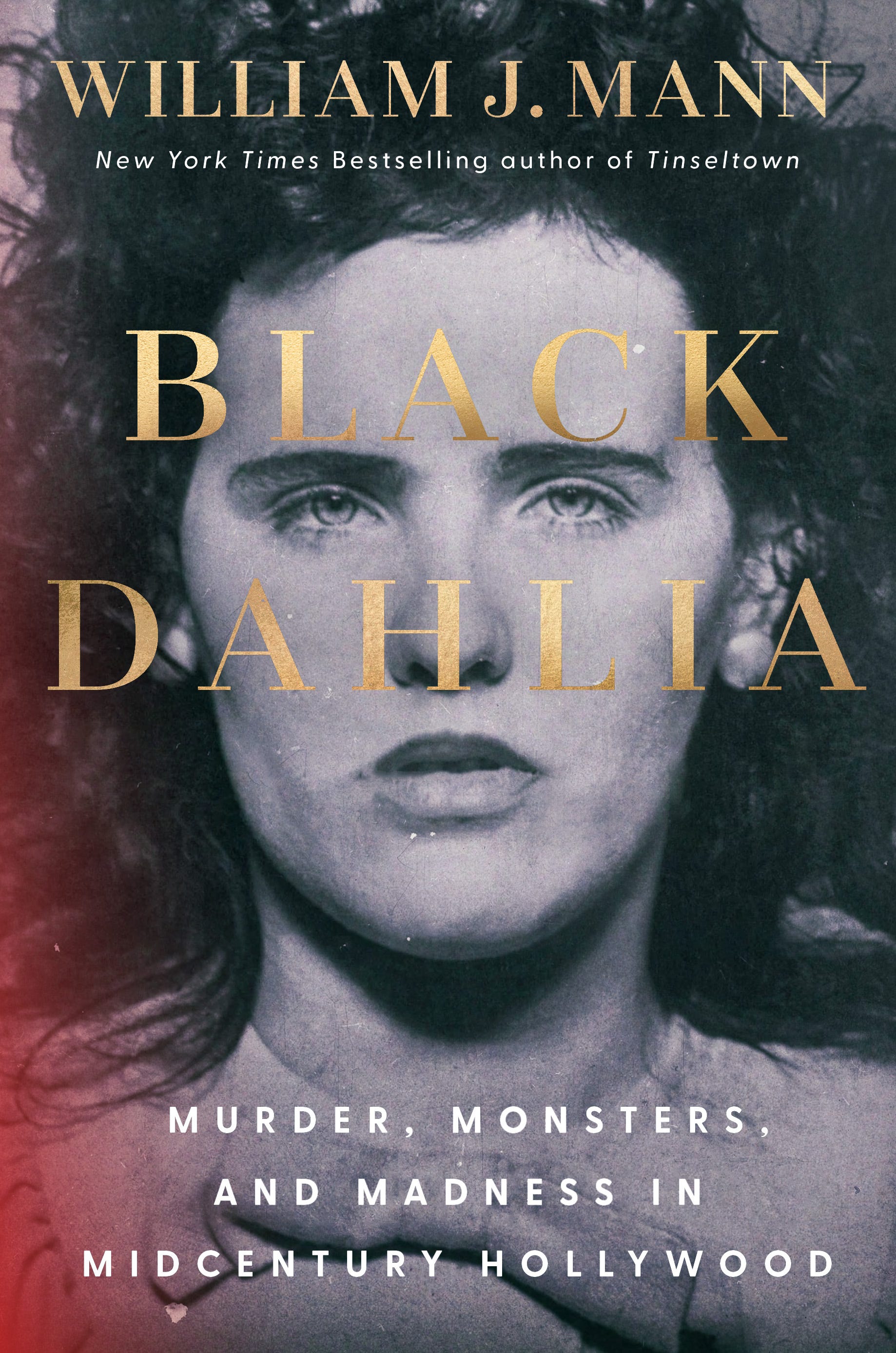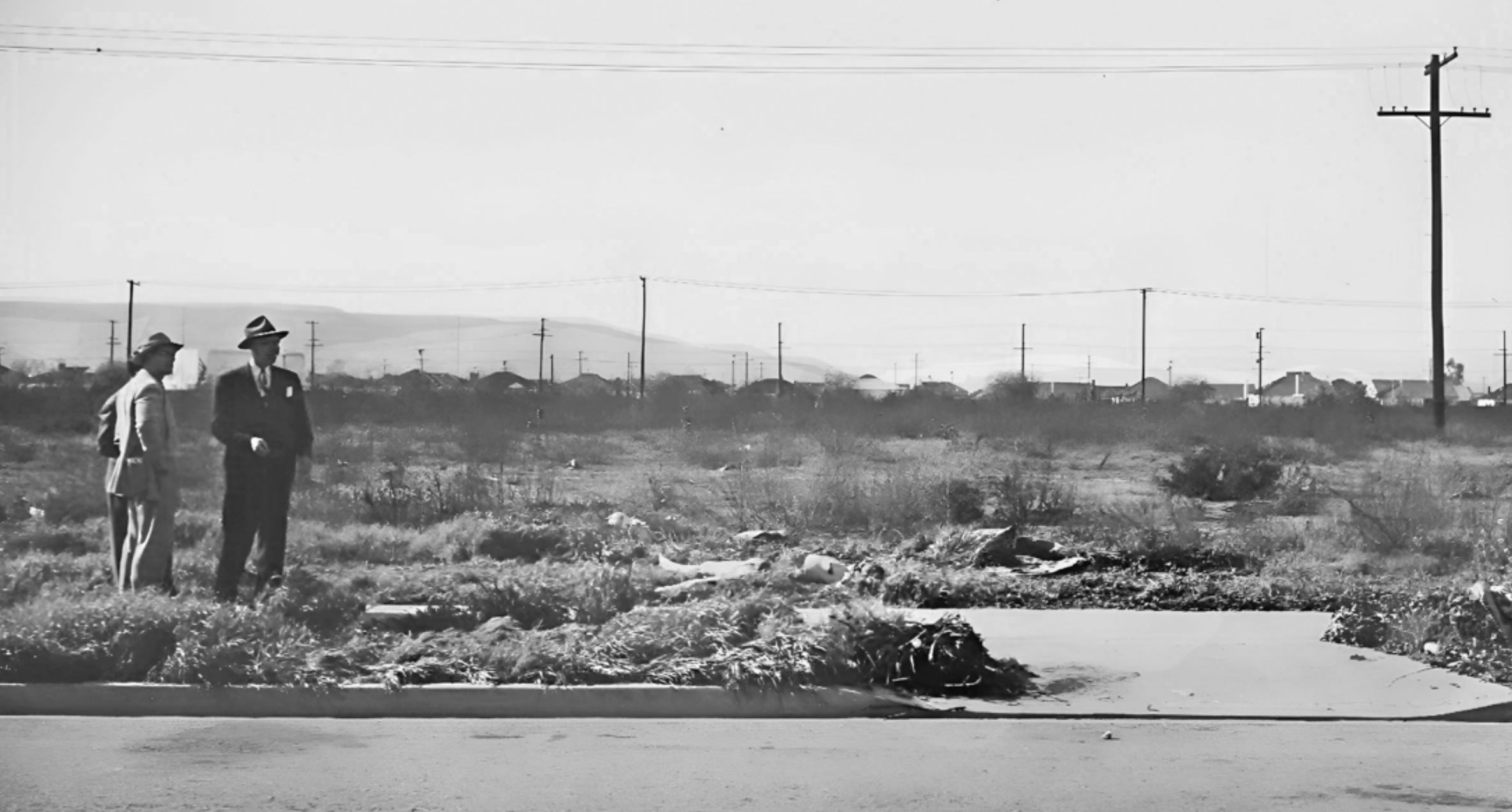
Welcome back to SOURCE NOTES, a monthly dive into the research behind banging works of narrative history. As I noted earlier this month, the Black Dahlia case has come creeping back into the public consciousness lately, thanks to a handful of new works about the perpetually fascinating 1947 murder of Elizabeth Short. Last week, Elon Green published a takedown of one such work, Michael Connelly’s Killer In The Code podcast, which pegs a guy named Marvin Margolis not only as Short’s killer, but the perpetrator of the late-sixties Zodiac slayings. Interestingly, Margolis also emerges as a prime suspect in BLACK DAHLIA: Murder, Monsters, and Madness in Midcentury Hollywood, a new book out this week from William J. Mann, who also wrote 2014’s excellent TINSELTOWN: Murder, Morphine, and Madness at the Dawn of Hollywood. More on that in the interview below…
I’m sure most people reading this are familiar with the Black Dahlia case. How did you approach the story for your book?
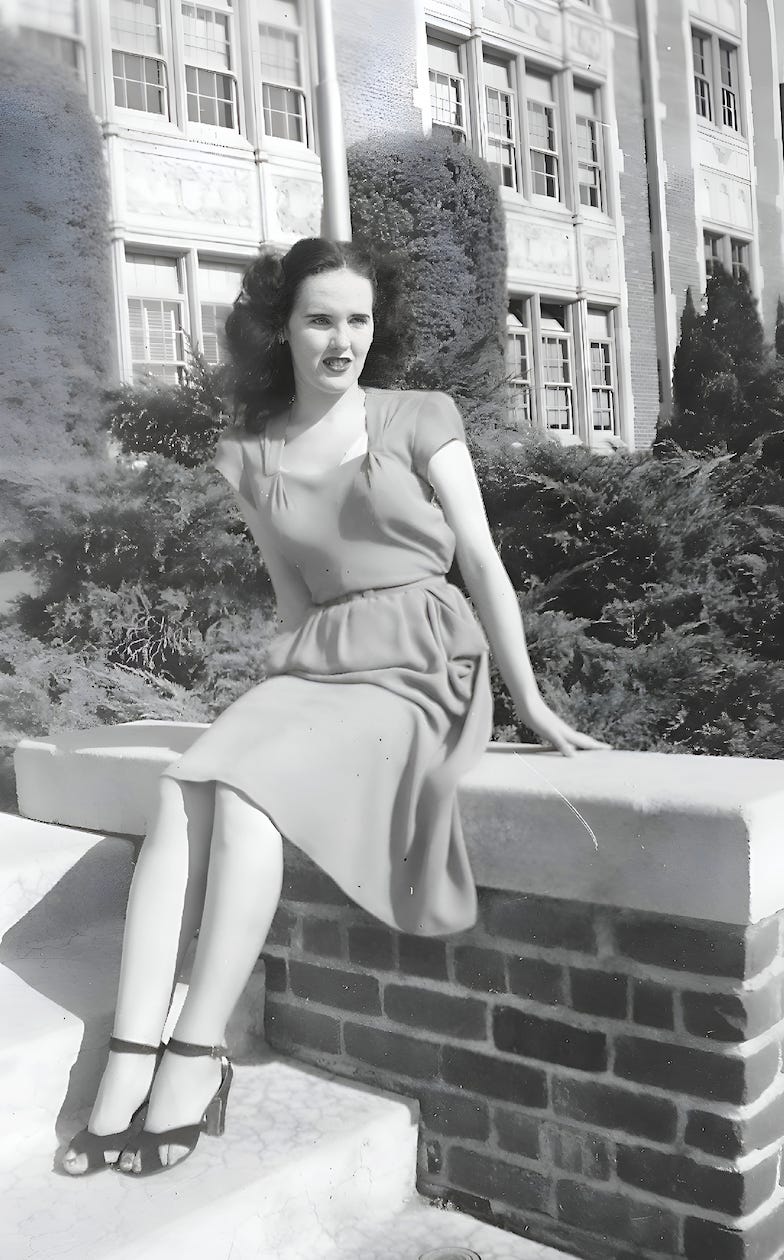
I was always less interested in solving this case than in setting it in context with the times. Realizing that the Black Dahlia case had never been solved and that it has gripped the imagination for so many decades now, going on eighty years, I wanted to explore why it has endured. What does it tell us about that anxious period after World War II, when society was changing and the role of women in society was changing? And what can it tell us about today? What also became clear to me early on was that, all of the previous studies on this case, whether books or movies or articles, they’ve all focused on a killer. We’ve gotta find the killer. And while that’s important, and I do my best to bring some clarity to that, I wanted to focus on the victim. Her death was notorious and grizzly, so she’s gonna be remembered for that, whereas her life was ordinary and unremarkable. But in the end, her life still matters more than her death. So I wanted to find Elizabeth Short more than finding her killer.
There are already lots of books and podcasts and documentaries about this case Which works from the Black Dahlia canon did you engage with as part of your research?
I didn’t read any of the books or websites until I was deep into the research.
Not even James Ellroy? I mean that’s fiction but…
I had read the book a long time ago and enjoyed it. So I was aware of, you know, the image that’s out there, the notions of what the Dahlia was and her connection to Los Angeles noir. But I didn’t really know the specifics of the case. So instead of reading the books and watching documentaries or anything online, I decided just to engage with the primary sources first. Those are considerable, but they’re also finite. We have the FBI records, we have the district attorney’s investigation, and we have a small amount of the original police investigation from the LAPD. So I first gathered all of that.
Where do those records exist?
I thought I was gonna have to go through a song and dance to get the files from the district attorney, but I requested it and there it was. The FBI has digitized all of their Elizabeth Short materials, so it’s right there on the website. The LAPD material was sent to me by the department. It’s very slim—you know, the finding of the body, the cause of death, that kind of thing. Getting the material was way easier than I thought. But then there was the next step of cross-referencing it. We’re talking about more than a thousand names, probably fifteen-hundred, that are somehow linked to this case, whether it’s witnesses, friends, suspects, investigators. So if there was a mention of a name in some newspaper article, I had to cross-reference it to see if it was also mentioned in the DA’s files.
Tell me more about the newspapers.
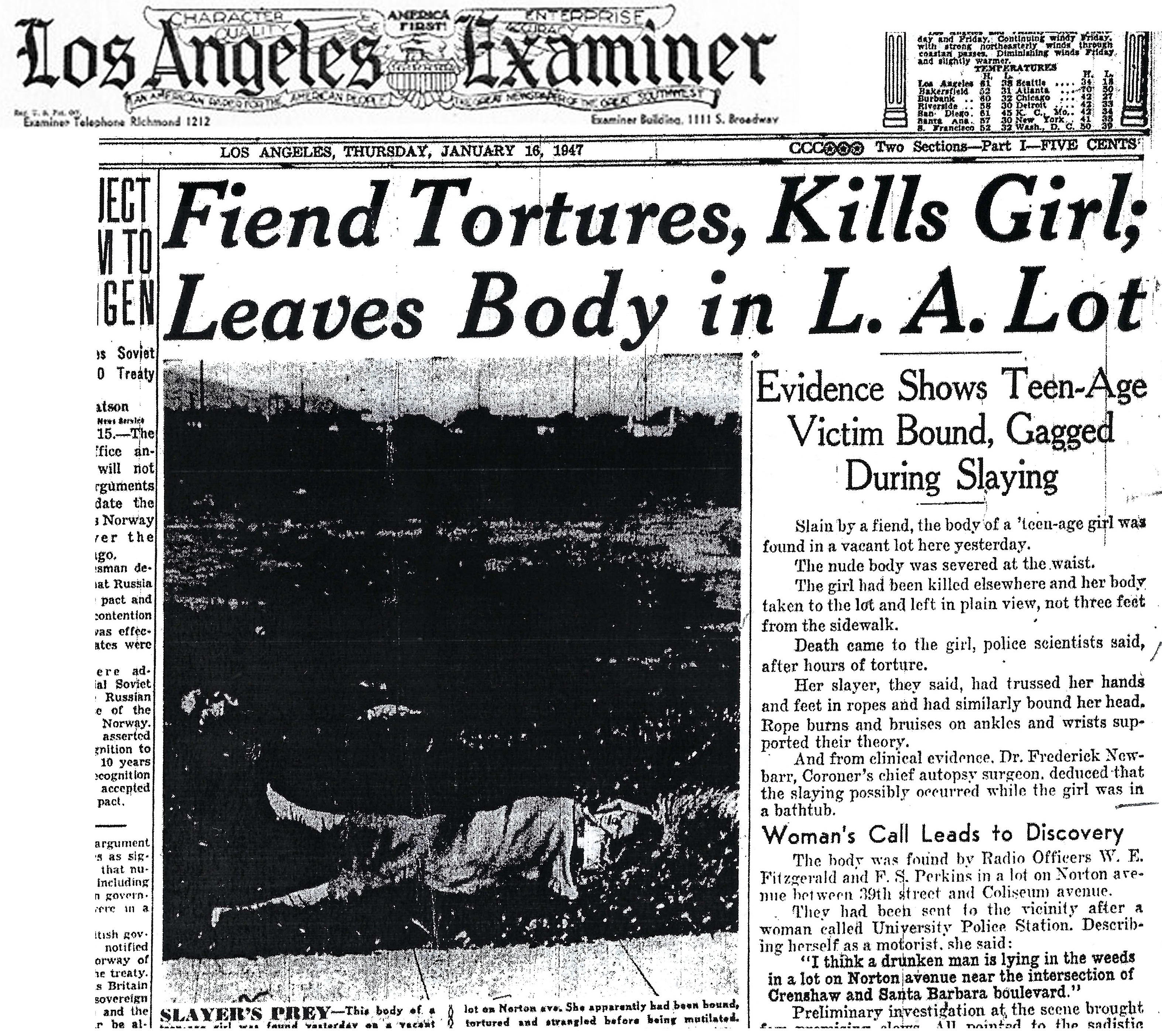
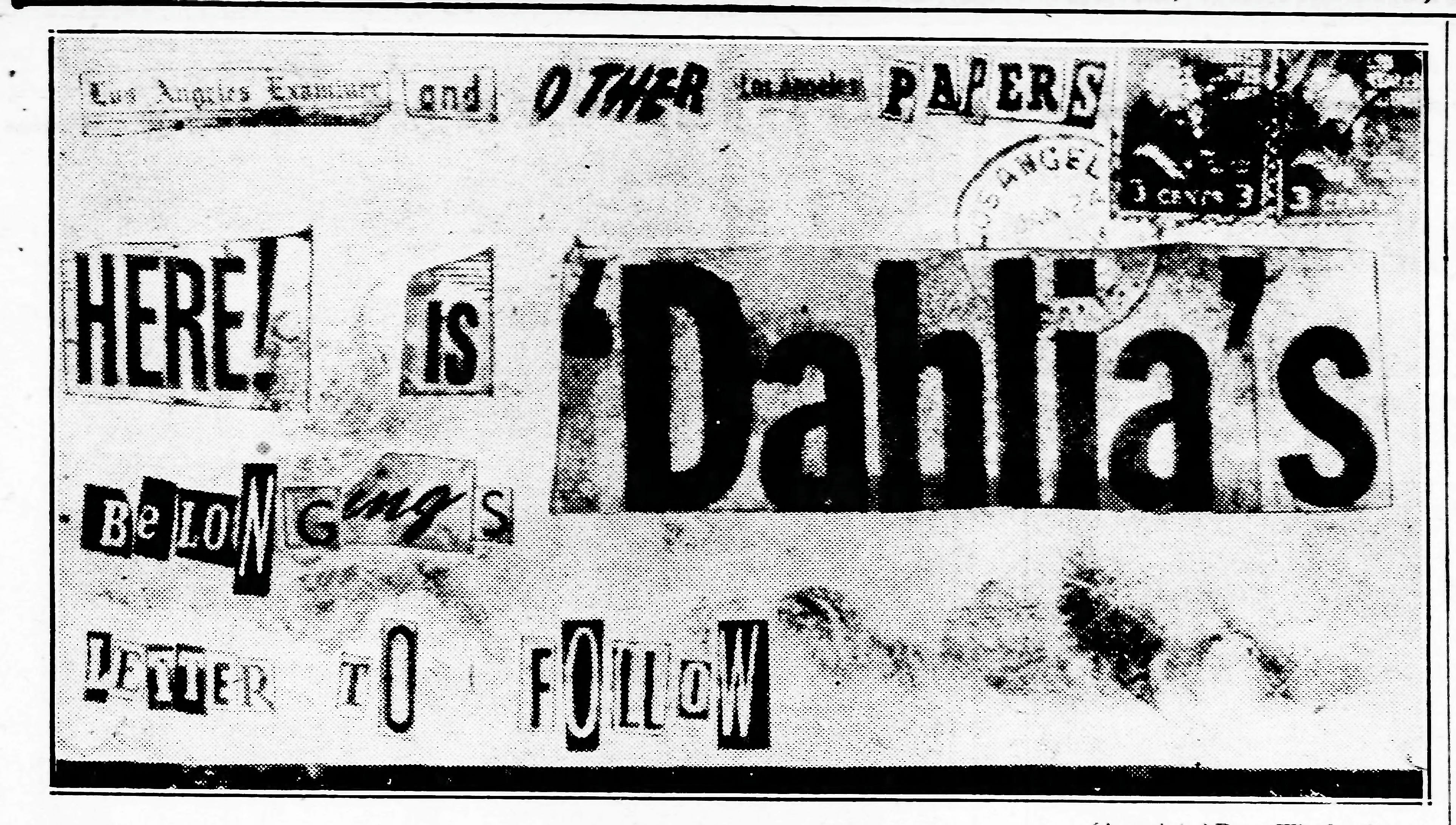
The L.A. Times is digitized and available online, so that was easy. But the Examiner and Herald-Express are not. In fact, the microfilm only exists in two places: the Los Angeles Public Library and the California State Library in Sacramento. So I did my best with what I could at the L.A. library, and I had a friend go up to the state library. We basically just printed out every article we could find on the case. Those papers were so important to the narrative. Luckily, they’ve also digitized the Los Angeles Daily News and the Los Angeles Mirror, which comes in later. So I had those, but also, papers like the San Francisco Examiner and the New York Daily News were covering the case. I still have boxes and boxes of newspaper printouts with my red ink all over them. Only after getting a sense of what the case was about did I start reading some of the other books.
Did you find those books useful?
I do think every one of the books about the case has contributed in some way to our understanding of it. But ultimately, all of the previous books were about, you know, they wanted at the end to say, “I have now solved this case.” I still feel that’s a really hubristic attitude, to think that I, in my office, in my living room, have solved this case, you know, decades after some very good detectives with access to much more evidence. So, all of the books were helpful in understanding the case, but very few could I rely on as bedrock research.
What other archives did you draw on?
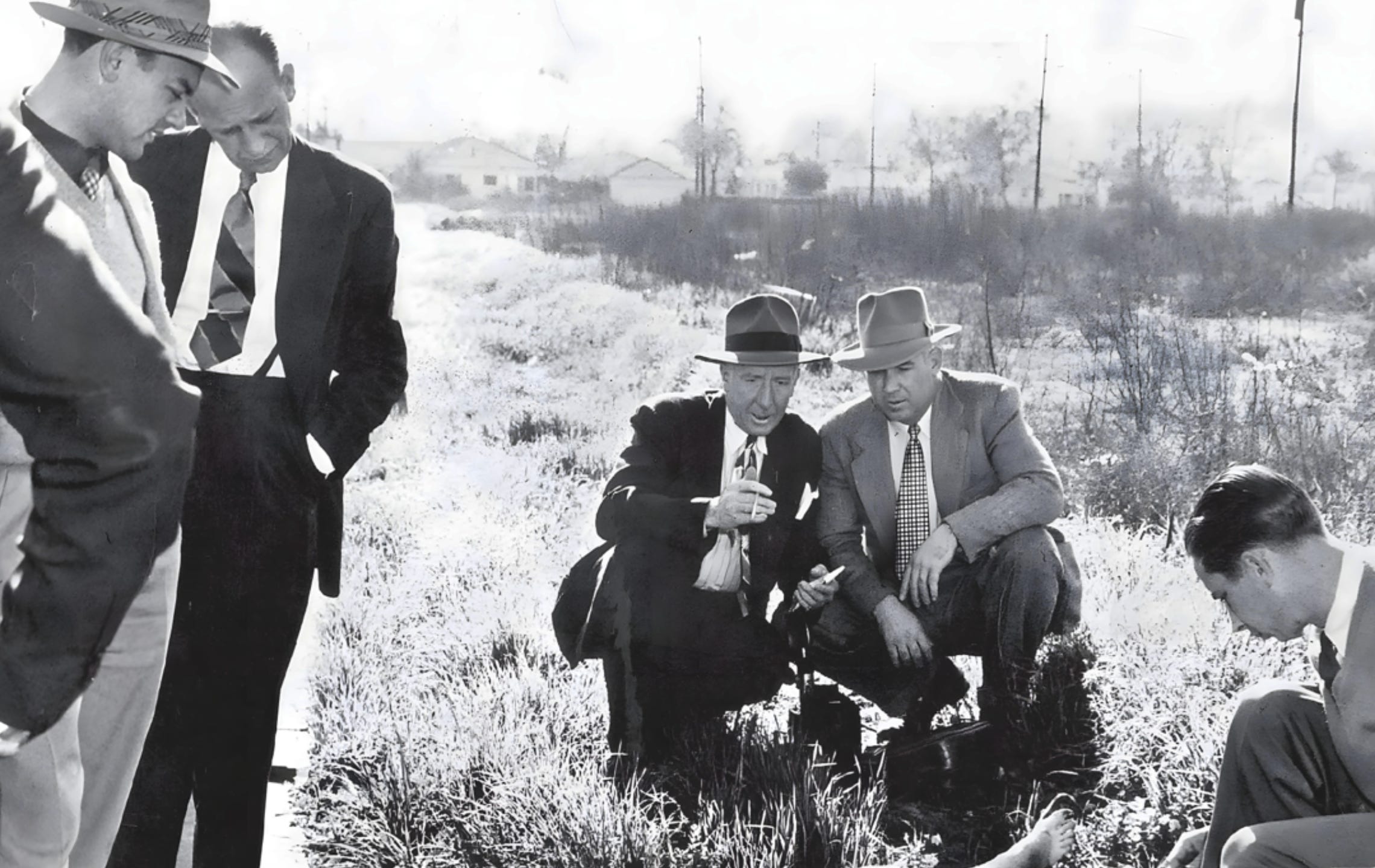
For example, Jimmy Richardson’s files for the Los Angeles Examiner. I believe those were at UCLA. Agnes Underwood’s papers were available. All of these are very slim, but there was always something interesting. In Agnes Underwood’s papers, you see logs of when she was city editor of the Herald-Express, how she was assigning stories and who she was assigning them to.
Were there any interesting finds in, like, some library or archive far from L.A.?
Absolutely. And in fact, it was someplace I had known about but not really given much thought to it. It was the Medford Historical Society in Massachusetts.
Oh that’s where Elizabeth Short was from, right?
She’s from Medford, and Mary Pacios, a childhood friend of the Short family, wrote a book on the case and she donated all of her research to the historical society. That research included interviews with Elizabeth’s sister, diagrams of their apartment, just lots of really interesting information.
And very convenient since you’re in New England.
Yeah. Just a drive up from Boston.
Did you find any material that hadn’t already been out there in the public domain?
It was really important to me to create a full picture of all the characters in the story. So that meant Elizabeth’s roommates, it meant the detectives, the suspects. With all of these people, I needed to dig into their background, and that meant getting court records, census records, arrest records, police records—all sorts of records in places like St. Louis or Oklahoma.
Talk a little about the various blogs and web forums you consulted.
I learned when I did TINSELTOWN that some of these fan sites, if you want to call them that, contain a lot of information. I went to the forum of the Black Dahlia in Hollywood site, and I’d throw ideas out to the hive mind. Like, what do you guys think? I identified myself as writing a book and I engaged with a lot of people, because who knows better than people who’ve really looked into this case? The L.A. Daily Mirror site is also really good. Larry Harnisch has really compiled a lot of stuff on there, and he’s a great debunker of things.
What about your conversations with family members?
In some ways they were really the heart and soul of the book. At first, the supporting players in Elizabeth’s life were just names on a page. But then I actually talked to people who knew them. I got to appreciate people like Ann Toth, who was Elizabeth’s closest friend and biggest defender. Or the family of Mark Hansen, who was a suspect. I learned the pain these people have lived with all their lives because their family member has been, you know, considered a possible murderer.
Do you want to talk about the theory you landed on regarding the murder?
In the district attorney’s files, there were records that I was really surprised no previous author or investigator had drilled down on, and that’s the stuff on Marvin Margolis.
Who’s Marvin Margolis?
Marvin Margolis was Elizabeth’s boyfriend for a short period of time. He was briefly a suspect until his wife—he had just recently gotten married—gave him an alibi. But once I saw his military records, I’m thinking, like, why has nobody kind of circled on him? Because he’s got the surgical skills to have severed her body and he’s got the rage. He has this rage against the world and he’s got surgical skills. So I really zeroed in on Margolis. I end up saying that Margolis is the most likely, but there are others. I present the evidence for all of them and let the reader draw their own conclusions.